
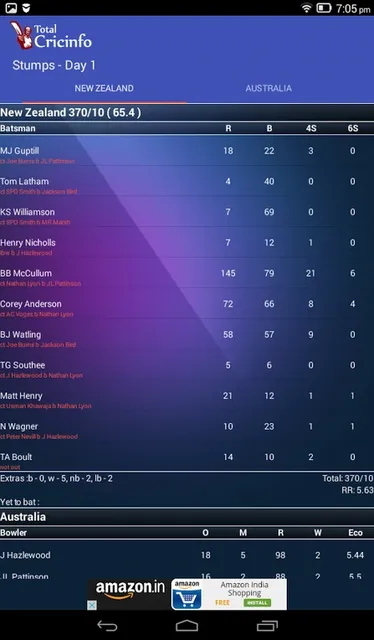
The bowling average in cricket is a crucial statistic that measures the effectiveness of a bowler. It is calculated by dividing the total number of runs conceded by the number of wickets taken. Understanding this calculation is essential for cricket enthusiasts and players alike. In this article, we will explore the details of how to calculate a bowler's average and why it is important.
Understanding the Bowling Average Formula
The formula for calculating bowling average is simple: Total Runs Conceded ÷ Total Wickets Taken = Bowling Average. This means that if a bowler has conceded 100 runs and taken 5 wickets, their bowling average would be 20.00 (100 ÷ 5).
It's important to note that the bowling average can be used to compare bowlers across different formats of the game, such as Test cricket, One Day Internationals (ODIs), and T20 matches. However, it is more commonly used in Test cricket due to the longer format which allows for a more consistent measure of a bowler's performance.
Additionally, the bowling average is just one of many statistics used to evaluate a bowler's performance. Other important metrics include economy rate, strike rate, and the number of maidens bowled. These statistics can provide a more comprehensive picture of a bowler's effectiveness.
Steps to Calculate Bowling Average
- Step 1: Gather the total runs conceded by the bowler.
- Step 2: Count the total number of wickets taken by the bowler.
- Step 3: Use the formula mentioned above to calculate the bowling average.
For a bowler to have a low bowling average, they need to take wickets consistently while keeping the runs conceded to a minimum. A bowler with a lower bowling average is considered more effective than one with a higher average.
Key Features of Bowling Average
The bowling average is a significant indicator of a bowler's long-term consistency and effectiveness. It is often used in conjunction with other performance metrics to provide a balanced view of a bowler's skills.
- Long-term Performance: The bowling average helps in assessing the bowler's performance over a long period, making it a reliable statistic for career analysis.
- Comparison: It allows for a fair comparison between bowlers from different teams and different eras.
- Team Performance: Coaches and selectors use the bowling average to make decisions regarding team composition and strategy.
Common Misconceptions and Pro Tips
One common misconception is that the bowling average alone can completely evaluate a bowler's worth. While it is an important statistic, it does not account for the context in which the runs were conceded or the quality of the opposition faced. A bowler who concedes fewer runs while taking wickets is generally considered better than one who takes many wickets but concedes a lot of runs.
Another pro tip is to consider the format of cricket when evaluating a bowler's performance. In T20 matches, for instance, the economy rate might be more relevant than the bowling average due to the shorter duration of the game.
Conclusion
Calculating the bowling average is a straightforward process that provides valuable insights into a bowler's performance. Whether you're a cricket fan or a player, understanding this statistic can enhance your appreciation of the game. For more detailed analysis and updates on cricket statistics, visit cricify.
 How to Calculate Bowling Average in Cricket